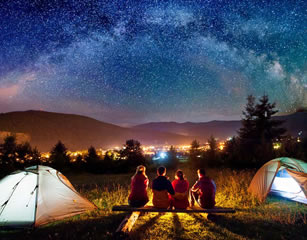
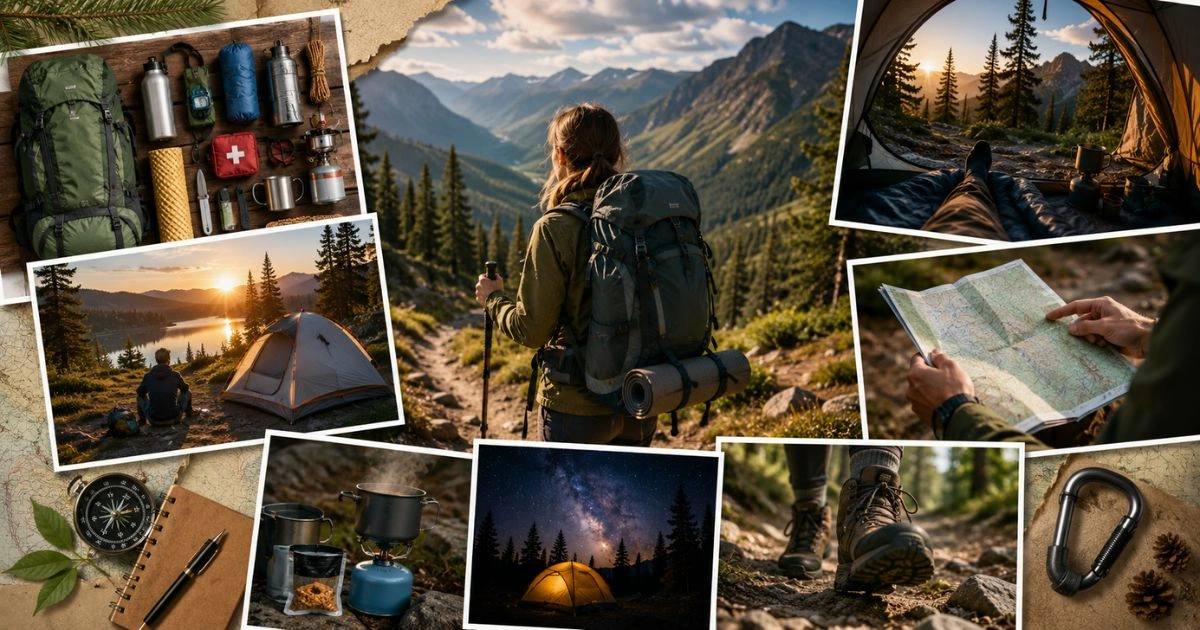
The idea of spending a night outdoors with everything packed into a single backpack can seem intimidating at first. Questions about gear, safety, food, and navigation often discourage beginners before they even plan a trip. Learning how to start backpacking becomes much easier when the process is broken into simple, practical steps rather than trying to master everything at once.
Backpacking combines hiking with overnight camping in natural areas. Unlike day hikes, backpackers carry shelter, food, water, clothing, and essential equipment for one or more nights. While the activity requires preparation, beginners do not need expensive gear or advanced outdoor skills to enjoy their first adventure.
Starting with realistic expectations is important. A short overnight trip on a well-marked trail often provides a better introduction than attempting a challenging multi-day expedition. Building confidence through experience allows new backpackers to develop skills gradually while enjoying the outdoors safely.
Why Backpacking Appeals To So Many People
Backpacking offers an opportunity to experience nature in ways that day hiking often cannot.
Spending a night outdoors allows travelers to enjoy quiet mornings, sunsets, stargazing, and wildlife activity away from busy tourist areas. Many people also appreciate the sense of accomplishment that comes from carrying everything needed for the journey.

Beyond recreation, backpacking encourages problem-solving, planning, and self-reliance. Each trip provides valuable experience that makes future adventures easier and more enjoyable.
How To Start Backpacking: A Beginner’s Success Guide
1. Choose A Beginner-Friendly Destination
Selecting the right location is one of the most important decisions for a first trip.
Look for well-maintained trails with clearly marked campsites and reliable water sources. National parks, state parks, and established backpacking routes often provide maps, permits, and useful information for beginners.
A five- to ten-mile trail with modest elevation changes is usually more manageable than a longer or steeper route. Completing a comfortable trip builds confidence and reduces the risk of unnecessary fatigue.
Checking trail conditions and weather forecasts before departure also helps avoid unpleasant surprises.
2. Understand The Difference Between Hiking And Backpacking
Although the two activities are closely related, backpacking requires more planning, preparation, and specialized equipment.
Day hikers typically travel with minimal gear, bringing essentials like water, food, and safety items for shorter outdoor trips. Backpackers must also carry essential items such as shelter, sleeping gear, cooking equipment, clothing, and extra food supplies.
The additional weight changes how quickly people travel. Planning shorter hikes allows more time to set up camp and enjoy the surroundings.
3. Start Backpacking With The Right Mindset
Success depends more on preparation than athletic ability.
New backpackers often worry about having perfect equipment, but practical decision-making matters much more. Learning basic camping skills, understanding weather conditions, and packing thoughtfully create a safer experience than purchasing expensive gear alone.
Accepting that small challenges will arise also helps reduce stress. Unexpected weather, minor navigation adjustments, or slower hiking speeds are normal parts of outdoor travel.
Each trip becomes an opportunity to learn rather than achieve perfection.
4. Choose A Backpack That Fits Properly
A properly fitted backpack improves comfort throughout the journey.
Most beginners do well with packs ranging from 40 to 60 liters for overnight or weekend trips. The ideal size depends on personal gear, weather conditions, and trip length.
Hip belts should carry most of the pack’s weight while shoulder straps provide balance rather than supporting the full load. Trying on backpacks with weight inside before purchasing often results in a much better fit.
Adjustable suspension systems also allow the pack to match different torso lengths.
5. Wear Appropriate Clothing
Comfortable clothing helps regulate body temperature during changing weather conditions.
Layering remains the most effective approach. A moisture-wicking base layer keeps sweat away from the skin, while insulating layers provide warmth when temperatures drop. Waterproof outer layers protect against rain and wind.
Avoid cotton whenever possible because it absorbs moisture, dries slowly, and can reduce comfort during outdoor adventures. Synthetic fabrics and wool generally perform better during outdoor activities.
Proper hiking socks and supportive footwear also reduce the likelihood of blisters.
6. Learn Basic Camping Skills Before Leaving
Practicing essential skills at home builds confidence before heading into the backcountry.
Pitching a tent, using a camping stove, adjusting backpack straps, and packing gear become much easier after several practice sessions. Familiarity with equipment reduces frustration once on the trail.
Learning simple map-reading techniques and understanding trail markers also improves navigation during the trip.
Even experienced backpackers regularly test equipment before longer adventures.
7. Pack Only What You Need
One of the most common beginner mistakes is carrying too much gear.
Every additional item adds weight to your pack, making the hike more challenging and tiring. Focus on equipment that provides genuine value instead of packing for unlikely situations.
Before heading out, evaluate each item and ask whether it will realistically be used on the trail. Removing unnecessary duplicates often saves significant weight without sacrificing comfort.
Lightweight equipment can further improve the overall hiking experience, especially on longer trails.
8. Prepare Physically Before The Trip
Backpacking requires endurance rather than speed.
Walking regularly while carrying a lightly loaded backpack helps strengthen muscles used during hiking. Increasing distance gradually allows the body to adapt without unnecessary strain.
Simple exercises that improve leg strength, balance, and core stability also make carrying a backpack more comfortable over uneven terrain.
Breaking in hiking boots before the trip further reduces the risk of blisters and foot discomfort.
9. Plan Meals Carefully
Food should provide energy without adding excessive weight.
Lightweight meals, trail mix, nuts, dried fruit, instant oatmeal, energy bars, dehydrated meals, and peanut butter remain popular choices because they are easy to pack and prepare.
Estimating meal portions before departure helps avoid carrying unnecessary food while ensuring enough calories are available for the journey.
Packing snacks in easily accessible pockets also makes short rest breaks more convenient.
10. Check The Weather Before Departure
Weather influences nearly every aspect of a backpacking trip.
Forecasts help determine appropriate clothing, sleeping gear, and route planning. Sudden temperature changes or heavy rainfall may require postponing the trip for safety reasons.
Conditions in mountainous areas can change quickly, so preparing for cooler-than-expected temperatures is often wise.
Bringing waterproof storage bags also protects clothing, electronics, and important documents from unexpected rain.
11. Learn Basic Navigation Skills
Learning basic navigation is an important step when preparing for your first backpacking adventure. Even on well-marked trails, it is important to understand the route before setting out. Study trail maps, note important landmarks, and identify campsites, water sources, and emergency exit points.
A paper map and compass remain valuable because they do not rely on batteries or mobile service. GPS devices and offline navigation apps can provide additional support, but they should complement rather than replace traditional navigation skills. Practicing these techniques on shorter hikes builds confidence before attempting longer routes.
12. Find And Treat Water Safely
Access to clean drinking water is one of the most important parts of any backpacking trip. Although streams, lakes, and rivers may appear pure, they can still carry bacteria, parasites, and other unseen contaminants.
Water filters, purification tablets, or boiling water are reliable methods for making natural water sources safer to drink. Researching available water sources before the trip also helps determine how much water to carry between refill points.
Staying hydrated throughout the day supports energy levels and reduces the risk of heat-related illness, especially during warmer weather.
13. Choose A Safe Campsite
Choosing the right campsite helps improve both comfort and safety during a backpacking trip. Established campsites are often the best option because they minimize environmental impact and usually provide flat, durable ground for tents.
Avoid camping too close to rivers, under unstable trees, or in low areas where water may collect during heavy rain. Choosing a location protected from strong winds also creates a more comfortable overnight experience.
Setting up camp before sunset allows enough time to organize equipment, prepare dinner, and become familiar with the surroundings before darkness falls.
14. Handle Wildlife Responsibly
Wildlife encounters can be memorable, but they require caution and respect. Observing animals from a safe distance helps protect both visitors and wildlife while supporting responsible outdoor practices.
Food should always be stored securely in bear-resistant containers or in designated food lockers, where available. Never feed wild animals, as this can change their natural behavior and create safety risks.
Learning about the wildlife commonly found in the destination helps backpackers prepare appropriately and respond calmly if an encounter occurs.
15. Follow Leave No Trace Principles
Protecting natural areas is a shared responsibility. The Leave No Trace principles encourage visitors to reduce their impact on the environment while enjoying outdoor recreation.
Key practices include packing out all trash, staying on marked trails, respecting wildlife, and avoiding damage to plants or historical sites. Campfires should only be built where permitted, and they must be fully extinguished before leaving.
Following these guidelines helps preserve trails and campsites so future visitors can enjoy the same landscapes.
Essential Backpacking Checklist For Beginners
Packing efficiently prevents unnecessary weight while ensuring important items are available when needed. Here’s a backpacking checklist worth noting for:
This basic backpacking checklist covers the equipment needed for most beginner overnight trips.
Budget For Backpacking Trips
Backpacking does not have to be expensive. Many beginners start with affordable gear or borrow equipment from friends before investing in higher-end products.
Renting tents, backpacks, and sleeping bags is another practical option for a first trip. Buying quality essentials over time often results in better long-term value than purchasing everything at once.
Planning meals, choosing nearby destinations, and traveling with friends can further reduce costs without affecting the overall experience.
Common Beginner Mistakes To Avoid
Many first-time backpackers make similar mistakes, but most are easy to avoid with careful planning and preparation. Learning what to expect before heading onto the trail can improve comfort, increase safety, and make the overall experience more enjoyable.
Some of the most common backpacking mistakes include:
- Carrying Too Much Gear
Packing unnecessary items adds extra weight, making hikes more tiring and increasing the risk of fatigue. Focus on bringing only essential gear.
- Wearing New Boots Without Breaking Them In
Brand-new hiking boots can cause blisters and discomfort. Wear them on shorter walks before your trip to ensure a comfortable fit.
- Underestimating Hiking Times
Trails often take longer than expected because of elevation changes, rest stops, and changing weather conditions. Allow extra time to avoid rushing.
- Ignoring Weather Forecasts
Weather can change quickly, especially in mountainous areas. Check the forecast before departure and pack appropriate clothing for changing conditions.
- Failing To Test Equipment
Check all equipment, including tents, stoves, and water filters, before your trip to avoid problems on the trail.
- Skipping Rest Breaks
Taking short breaks throughout the hike helps maintain energy, reduces fatigue, and lowers the risk of injury during longer treks.
Build Confidence One Trip At A Time
Backpacking skills improve through experience rather than speed. Each trip provides an opportunity to learn how different gear performs, how weather affects planning, and how to pack more efficiently.
Keeping notes after each trip can be helpful. Recording what equipment worked well, what was unnecessary, and what could be improved makes future adventures easier to plan.
As confidence grows, longer routes and more challenging terrain become realistic goals without feeling overwhelming.
Start Your Backpacking Journey With Confidence
Learning how to start backpacking does not require expensive equipment or advanced outdoor experience. Careful planning, realistic expectations, and gradual skill development make the activity accessible to almost anyone interested in exploring nature.
Using a reliable backpacking checklist, selecting beginner-friendly trails, practicing essential camping skills, and respecting the environment all contribute to a safer and more enjoyable experience. Starting with short overnight trips allows new backpackers to build confidence while creating memorable outdoor adventures that can lead to a lifelong appreciation for the outdoors.