
Exploring Europe’s best historical sites offers more than just sightseeing. It opens a window into centuries of culture, architecture, and human stories that still shape modern life. From ancient ruins to grand palaces, these destinations continue to attract travelers who want more than photos and quick visits.
Recent travel insights highlight a growing interest in deeper, experience-driven trips. Instead of rushing through landmarks, travelers are choosing slower itineraries that allow time to understand each place. This shift makes exploring historical sites in Europe feel more personal, especially when each stop is given the time it deserves.
Why Historical Sites In Europe Still Matter Today
Historical landmarks across Europe remain central to travel planning because they connect past and present in a way few places can. Walking through centuries-old streets or standing inside ancient structures brings history into a real, physical experience. This is one reason why these destinations continue to rank high in modern travel recommendations.
Another reason is preservation and accessibility. Many of the top historical sites in Europe have been carefully maintained, with guided tours, digital exhibits, and improved visitor systems. These updates make it easier to explore without losing the authenticity that makes each location unique.
15 Best Historical Sites In Europe You Should Visit
1. Colosseum
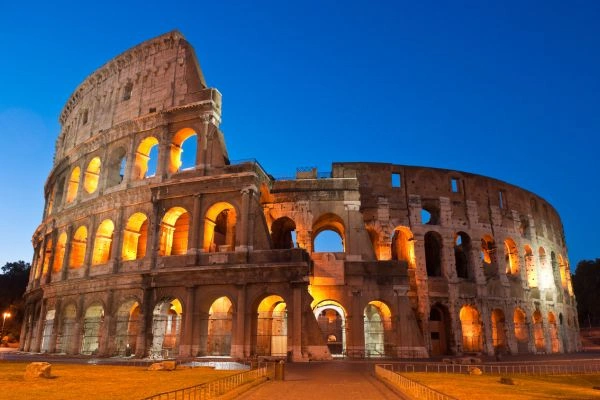
The Colosseum remains one of the most recognizable landmarks in the world, and it continues to dominate travel lists for a reason. Built during the Roman Empire, this massive amphitheater once hosted gladiator battles and public spectacles. Today, it remains a strong symbol of Rome’s lasting impact on architecture and entertainment.
Visitors now benefit from timed-entry tickets and guided tours that explain the structure’s design and historical role. Walking through its corridors offers a closer look at ancient engineering techniques. It is often paired with nearby ruins for a more complete view of ancient Rome.
2. Acropolis of Athens
The Acropolis rises above Athens as a symbol of ancient Greek civilization. Its most famous structure, the Parthenon, reflects the artistic and architectural achievements of the time. The site continues to draw global attention for its cultural significance.
Recent restoration efforts have improved visitor access while preserving the site’s integrity. Exploring the Acropolis provides insight into ancient philosophy, politics, and design. It remains one of the most important historical sites in Europe.
3. Stonehenge
Stonehenge continues to spark curiosity with its mysterious origins and purpose. This prehistoric monument, made up of massive stone circles, has stood for thousands of years. Its exact function is still debated, adding to its appeal.
Modern visitor centers now offer interactive displays and guided experiences. These additions help explain possible theories behind its construction. The surrounding landscape also adds to the site’s atmosphere, making it a unique stop on any itinerary.
4. Palace of Versailles
The Palace of Versailles reflects the grandeur of French royal life. Known for its ornate halls and expansive gardens, it remains a symbol of power and luxury. The Hall of Mirrors continues to be one of its most visited spaces.
Travelers often spend an entire day exploring both the palace and its grounds. Recent visitor updates include improved navigation and ticketing systems. Versailles offers a deeper look into European monarchy and political history.
5. Cologne Cathedral
Cologne Cathedral is widely regarded as a masterpiece of Gothic architecture. Its towering spires dominate the city skyline, making it impossible to miss. Construction took over 600 years, which adds to its historical depth.
Inside, visitors can admire stained glass windows and intricate details. Ascending the tower reveals sweeping panoramic views of the city. It continues to rank among Germany’s most visited landmarks.
6. Alhambra
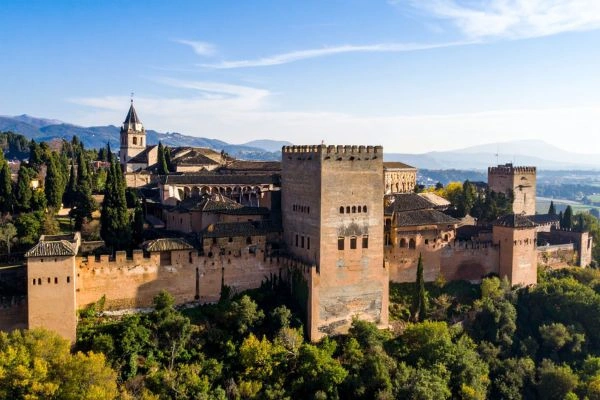
The Alhambra blends Islamic art and architecture with European influences. This palace and fortress complex is known for its detailed carvings and peaceful courtyards. It reflects the cultural exchange that shaped parts of Spain.
Timed entry systems have made visits more organized, though tickets often sell out quickly. Exploring the Alhambra offers both historical insight and scenic beauty. Its design continues to inspire modern architecture.
7. Roman Forum
The Roman Forum once served as the center of political and social life in ancient Rome. Today, its ruins offer a glimpse into the empire’s daily workings. Walking through the site connects visitors to important historical events.
Guided tours help bring the ruins to life by explaining their original purpose. The Forum is often explored alongside the Colosseum. Together, they create a fuller picture of Roman history.
8. Prague Castle
Prague Castle ranks among the largest ancient castles in the world. It has served as a seat of power for centuries, housing kings, emperors, and presidents. Its architecture reflects different periods and styles.
Visitors can explore the complex’s churches, halls, and gardens. The castle also offers views of Prague’s skyline. It remains a key highlight in Central Europe.
9. Pompeii
Pompeii offers a rare look at an ancient city preserved by volcanic ash. The eruption of Mount Vesuvius froze daily life in place, creating a detailed historical record. Streets, homes, and artwork remain visible.
Recent excavations and improved pathways have made the site easier to explore. Guided tours provide context for what visitors see. Pompeii stands out as one of the most immersive historical sites in Europe.
10. Tower of London
The Tower of London has served many roles, including as a royal palace and a prison. Its history is filled with stories of power, conflict, and intrigue. Today, it houses the Crown Jewels.
Interactive tours led by Yeoman Warders add personality to the experience. The site combines education with storytelling. It continues to be one of London’s most visited attractions.
11. Neuschwanstein Castle
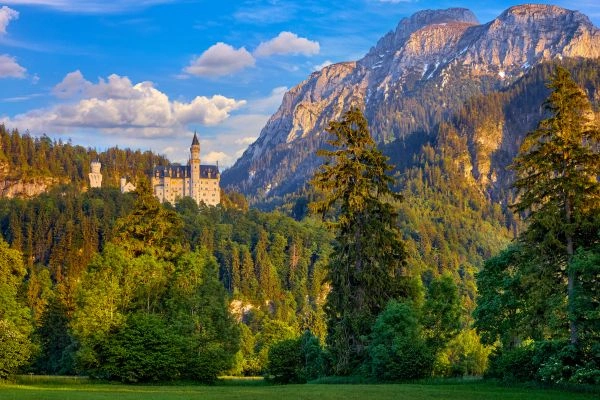
Neuschwanstein Castle resembles something straight out of a storybook. Built in the 19th century, it was inspired by medieval architecture and romantic ideals. Its design has influenced popular culture, including the design of theme park castles.
Visitors often need to book tickets in advance due to high demand. The surrounding landscape enhances its appeal. It offers a mix of history and visual charm.
12. Sagrada Familia
The Sagrada Familia stands out for its unique design and ongoing construction. Designed by Antoni Gaudí, it blends Gothic and modern elements. The structure continues to evolve.
Inside, light filters through colorful stained glass, creating a striking atmosphere. Visitors often describe it as one of the most memorable sites in Europe. It represents both tradition and innovation.
13. Bran Castle
Bran Castle is often linked to the Dracula legend, though its history is more complex. The castle itself dates back to medieval times and served as a strategic fortress. Its location adds to its dramatic appearance.
Modern exhibits explore both the legend and the site’s real history. Visitors can walk through rooms filled with artifacts and displays. It remains a popular stop in Eastern Europe.
14. Edinburgh Castle
Edinburgh Castle is perched on a volcanic rock overlooking the city. It has played a central role in Scottish history for centuries. The site includes museums, halls, and military displays.
Daily events and guided tours add to the visitor experience. The castle also offers sweeping views of Edinburgh. It continues to attract travelers interested in history and culture.
15. Hagia Sophia
Hagia Sophia reflects a blend of religious and architectural history. It has functioned as a church, mosque, and museum over the centuries. Its massive dome remains one of its most impressive features.
Visitors can see a mix of Christian mosaics and Islamic calligraphy inside. The structure highlights the region’s cultural layers. It remains one of the most significant landmarks in Europe.
How To Plan A Trip Around Historical Sites In Europe
Planning a trip that includes multiple historical sites in Europe requires a balance between structure and flexibility. Many travelers now prefer slower itineraries that focus on fewer destinations. This approach allows more time to fully explore each location.
Transportation also plays a key role in planning. Rail services like Eurail and airlines such as Ryanair and easyJet make it easier to move between cities. Choosing the right combination of transport options helps maximize time.

Tips For Visiting Historical Sites In Europe
- Book tickets in advance for popular attractions
- Visit early in the morning or later in the afternoon
- Wear comfortable shoes for walking
- Use guided tours for better context
- Allow time for breaks between sites
These simple tips can enhance the overall experience. They help avoid crowds and make each visit more enjoyable. A little planning goes a long way when exploring historical destinations.
Frequently Asked Questions
- What Are The Best Historical Sites In Europe To Visit First?
The Colosseum, Acropolis, and Palace of Versailles are often recommended for first-time visitors. These sites offer a mix of history, architecture, and cultural significance.
- How Many Historical Sites Should Be Included In One Trip?
A balanced itinerary usually includes 3 to 5 major sites per destination. This prevents fatigue and allows for deeper exploration.
- Are Historical Sites In Europe Expensive To Visit?
Costs vary depending on the location and ticket type. Many sites offer discounted passes or free entry on certain days.
- What Is The Best Time To Visit Historical Sites In Europe?
Spring and early autumn are widely considered ideal. These seasons offer comfortable weather and manageable crowds.
- Do Historical Sites In Europe Require Advance Booking?
Many popular landmarks now use timed-entry systems. Booking in advance is strongly recommended to avoid long waits.
Closing Thoughts On Exploring Europe’s History
Exploring Europe’s best historical sites offers a deeper understanding of the continent’s past while remaining relevant today. Each destination tells a different story, from ancient civilizations to royal traditions. Taking the time to explore these places properly creates a more meaningful travel experience.
A well-planned itinerary that focuses on quality over quantity can make all the difference. With the right balance, visiting historical sites in Europe becomes less about checking off landmarks and more about truly connecting with the history behind them.