
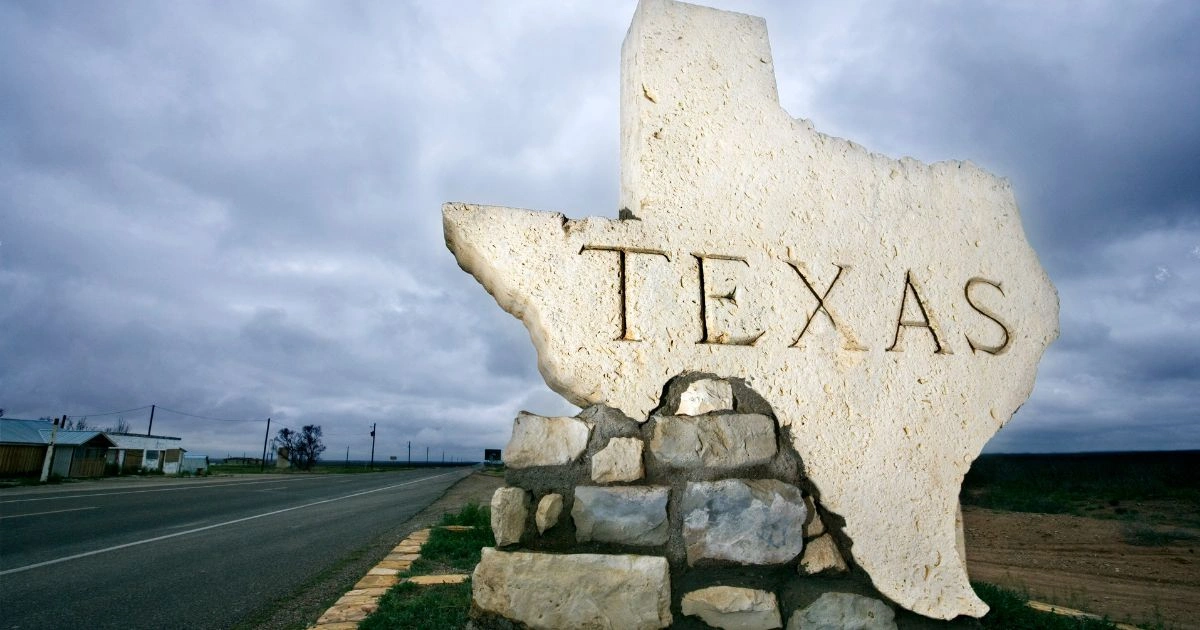
A well-planned Texas trip itinerary can turn a large, diverse state into a smooth, exciting journey filled with cities, landscapes, and local culture. With recent travel insights highlighting a rise in road trips and flexible travel planning, Texas continues to stand out as one of the most visited destinations in the United States. The appeal comes from its mix of modern cities, historic towns, desert scenery, and Gulf Coast views.
Interest in a Texas trip itinerary has grown as travelers shift toward experience-based travel instead of rushed sightseeing. Instead of trying to cover everything, more itineraries now focus on fewer stops with deeper exploration. This approach works especially well in Texas, where distances are long, but each region offers something completely different.
Why Texas Works So Well For Road Trips
Texas is built for travel that moves at its own pace. Wide highways, well-connected cities, and distinct regions make it easy to design flexible routes. Recent travel reviews highlight how visitors prefer multi-city routes that combine urban experiences with nature stops.

Another reason a Texas trip itinerary is so popular is the variety it offers. One trip can include skyscrapers, beaches, live music, historic missions, and desert landscapes without crossing international borders. That range is rarely found in a single destination.
Key reasons Texas stands out for travel include:
- A large variety of city and outdoor experiences
- Easy access to rental cars and highway systems
- Strong food culture across regions
- Year-round travel options, depending on the area
- Distinct regional identities within one state
Best Time To Plan A Texas Trip
Timing plays a big role in how comfortable and enjoyable travel becomes. Texas weather can vary significantly by region, so planning helps avoid extreme heat or sudden weather changes.
Spring and fall are often considered ideal for a Texas trip itinerary. Temperatures are more balanced, outdoor activities feel easier, and popular attractions are less crowded than in the peak summer months.
Seasonal breakdown:
- Spring: Mild weather, blooming landscapes, busy festival season
- Summer: Hot temperatures, best for indoor attractions and coastal areas
- Fall: Comfortable travel conditions, ideal for road trips
- Winter: Cooler temperatures, fewer crowds in major cities
Recent travel updates also show increased interest in winter city breaks in Austin and San Antonio, where cultural events continue year-round.
Starting Point: Dallas And North Texas Energy
Dallas is often the first stop on many Texas trip itineraries due to its major airport and central location. The city blends modern business districts with arts, sports, and food scenes.
The Arts District is one of the largest in the country, featuring museums, galleries, and performance spaces. Nearby neighborhoods offer a growing food culture influenced by both traditional Texan cuisine and international flavors.
Dallas highlights include:
- Dallas Arts District
- Deep Ellum nightlife and music scene
- Reunion Tower views of the city skyline
- Local barbecue and Tex-Mex restaurants
Fort Worth is often paired with Dallas for a contrasting experience. Known for its western heritage, it offers stockyards, rodeos, and a slower-paced downtown atmosphere.
Austin: Live Music And Creative Culture
Austin has become one of the most essential stops in any modern Texas trip itinerary. The city is widely known for live music, creative industries, and outdoor-friendly spaces.
Recent travel reviews highlight Austin’s balance between urban energy and natural escapes. Visitors often combine city experiences with nearby swimming spots and hiking trails.
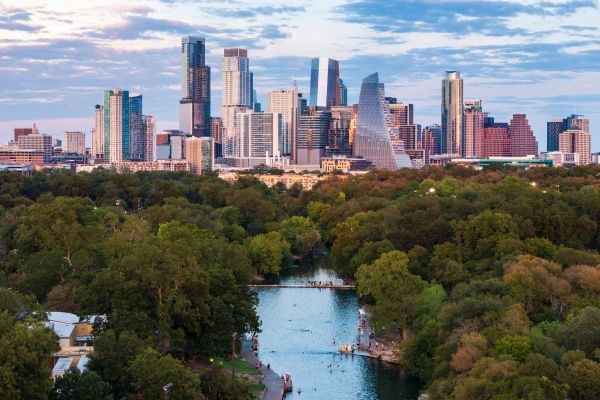
Top experiences in Austin include:
- Live music venues across Sixth Street
- Barton Springs Pool for natural swimming
- Lady Bird Lake scenic trails for walking and cycling
- Local food trucks serving diverse cuisines
Austin’s identity continues to evolve, but its creative culture remains central to its appeal.
San Antonio: History And Cultural Depth
San Antonio brings a different pace to a Texas trip, with a focus on history and cultural heritage. The city features some of the most notable historical sites in the United States.
The River Walk is one of the most visited areas, offering restaurants, boat rides, and scenic pathways along the water. Nearby, the Alamo remains a key historical landmark that draws millions of visitors each year.
Key attractions include:
- The Alamo historic site
- San Antonio River Walk
- Spanish colonial missions
- Market Square cultural district
San Antonio’s blend of history and modern tourism makes it a strong contrast to Texas’s larger metropolitan areas.
Hill Country: Scenic Routes And Small Town Charm
Between major cities lies Texas Hill Country, a region known for rolling landscapes, wineries, and small towns. Many travelers consider this section the most relaxing part of a Texas trip itinerary.
The region is especially popular for road trips because of its scenic highways and frequent small-town stops. Towns like Fredericksburg and Wimberley are often included for their charm and local experiences.
Highlights of Hill Country:
- Winery tours and tastings
- Scenic driving routes with wildflower views
- Local markets and craft shops
- Natural swimming holes and rivers
This area offers a slower travel rhythm than city stops, making it ideal for rest days on longer itineraries.
Houston: Food, Culture, And Urban Scale
Houston is one of the largest cities in the United States and adds a major urban layer to any Texas trip itinerary. Known for its diversity, the city offers a wide range of cultural experiences and food options.
Recent travel coverage highlights Houston’s growing reputation as a global food destination. Its restaurant scene reflects influences from Latin America, Asia, and the American South.

Houston highlights include:
- Museum District with multiple world-class museums
- Space Center Houston for space exploration exhibits
- Diverse dining scene across global cuisines
- Buffalo Bayou Park for outdoor activities
Houston’s size can feel overwhelming, but its variety makes it worth including in longer trips.
Gulf Coast: Beaches And Coastal Energy
The Texas Gulf Coast adds a completely different environment to a Texas trip itinerary. Cities like Galveston provide beach access, historical architecture, and relaxed coastal experiences.
Galveston is especially popular for short coastal stays. Its historic district and beachfront areas attract both families and solo travelers looking for a slower pace.
Coastal experiences include:
- Beach walks and water activities
- Historic downtown areas
- Coastal seafood restaurants
- Fishing and boat tours
The Gulf Coast is often used as a final stop in multi-city itineraries for relaxation before returning home.
Suggested Texas Trip Itinerary Routes
Building a Texas trip itinerary depends on the time available and travel goals. Recent travel trends show that flexible routes are preferred over strict schedules.
7-Day Route Example
- Dallas (2 days)
- Austin (2 days)
- San Antonio (2 days)
- Travel day or short stop in Hill Country
10-Day Route Example
- Dallas and Fort Worth (2 days)
- Austin (2 days)
- Hill Country (2 days)
- San Antonio (2 days)
- Houston or Gulf Coast (2 days)
14-Day Extended Route
- Full coverage of major cities
- Additional time in Hill Country
- Coastal relaxation days
- Optional desert extension in West Texas
Travel Tips For A Smooth Texas Trip
A successful Texas trip itinerary depends on careful preparation, especially given the long driving distances between regions. Planning stops and rest periods improves comfort and reduces travel fatigue.
Helpful travel tips:
- Rent a car for full flexibility
- Plan fuel stops in rural areas
- Book accommodation early in peak seasons
- Mix city days with outdoor breaks
- Avoid tight schedules between far locations
Recent travel feedback also highlights the importance of allowing extra travel time, as distances can feel longer than expected.
Food Experiences Across Texas
Food is one of the strongest parts of any Texas trip itinerary. Each region has its own specialties, and many travelers plan routes around culinary stops.

Popular food experiences include:
- Brisket and barbecue in central Texas
- Tex-Mex dishes across major cities
- Gulf seafood along the coast
- Food truck culture in Austin
- International cuisine in Houston
Food variety alone is often a major reason travelers return to Texas multiple times.
The Value Of Flexible Itineraries In Texas Travel
Travel planning has shifted toward more flexible approaches, with many trips now built around open schedules instead of strict hour-by-hour plans. This style of travel allows room for changes along the way, especially when new places or unexpected detours appear. It also makes long-distance routes feel less rushed and more enjoyable.
A Texas trip itinerary works especially well with this kind of structure because the state is full of surprises between major destinations. Small towns, roadside diners, scenic stops, and local festivals often become the most memorable parts of the journey. Flexibility makes it easier to include these moments without disrupting the overall plan.
Key benefits of flexible travel:
- Easier adjustments when weather or traffic changes
- More time to explore unexpected stops and hidden gems
- Lower travel stress with fewer strict time limits
- Better balance between major cities and quieter landscapes
Common Planning Mistakes To Avoid
Even a well-designed Texas trip itinerary can run into issues without proper preparation. The most common mistakes usually involve underestimating distances or overpacking schedules.
Mistakes to watch for:
- Trying to cover too many cities in too few days
- Ignoring driving times between destinations
- Not accounting for weather changes
- Skipping rest days in longer trips
Travelers who slow down often report a better overall experience than those with tightly packed schedules.
Frequently Asked Questions
- What Is The Best Texas Trip Itinerary For First-Time Visitors?
A balanced Texas Trip Itinerary for first-time visitors usually includes Dallas, Austin, San Antonio, and Houston. This route offers a mix of culture, history, food, and modern city life. Adding Hill Country or the Gulf Coast helps create a more complete travel experience.
- How Many Days Are Needed For A Texas Trip Itinerary?
Most travelers need 7 to 14 days for a Texas Trip Itinerary, depending on how many cities are included. A 7-day trip covers 2 to 3 major cities, while a 10 to 14-day trip allows for a more relaxed pace with regional stops.
- What Is The Best Time To Follow A Texas Trip Itinerary?
The best times for a Texas trip are spring and fall, when temperatures are mild, and crowds are lighter. These seasons make road trips more comfortable and improve access to outdoor attractions and city activities.
- Is A Car Necessary For A Texas Trip Itinerary?
Yes, a car is highly recommended for a Texas Trip Itinerary because cities and attractions are spread out across long distances. Driving allows flexibility to explore smaller towns, scenic routes, and hidden stops between major destinations.
- What Cities Should Be Included In A Texas Trip Itinerary?
A typical Texas Trip Itinerary includes Dallas, Austin, San Antonio, and Houston. Many travelers also add the Hill Country for scenic drives or the Gulf Coast for beaches and relaxation, depending on available travel time.
Final Thoughts On Exploring Texas
A well-structured Texas trip itinerary offers a mix of culture, history, nature, and modern city life in one continuous journey. The variety of regions allows for completely different travel experiences within the same trip.
As travel trends continue to shift toward more flexible and experience-focused journeys, Texas remains a strong example of a destination that rewards slower exploration. Whether focusing on cities, landscapes, or coastal areas, each route creates a different version of the same state.